
Boondocking for Beginners: Water, Power, Waste, and Comfort
One of the greatest joys of van life is the freedom to leave the campground behind.
No crowded RV parks. No reservation deadlines. No neighbors parked just a few feet away.
Just you, your adventure rig, and the open road.
Boondocking—also known as dry camping—is the practice of camping without traditional hookups for water, power, or sewer. For many van travelers, it's one of the most rewarding ways to explore because it allows you to stay closer to nature and farther from the crowds.
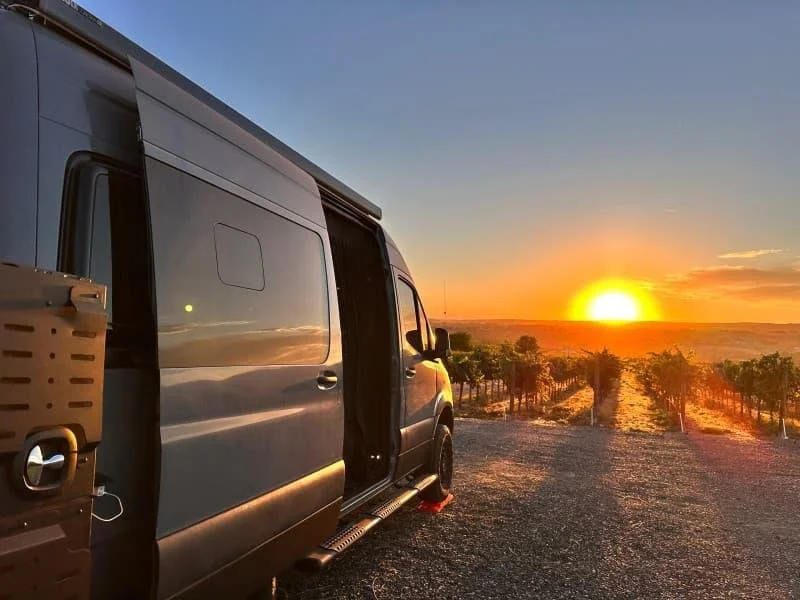
Photo: Harvest Hosts
If you're new to off-grid travel, the idea can feel intimidating at first. How do you manage water? What powers your van? How do you stay comfortable?
The good news is that modern van builds make boondocking easier than ever before.
With the right systems and a little preparation, you can enjoy extended off-grid adventures while still having many of the comforts of home.
What Is Boondocking?
Boondocking simply means camping without hookups.
Many travelers boondock on public lands, national forests, Bureau of Land Management (BLM) land, and remote backroads. Others enjoy overnight stays at unique destinations through programs like Harvest Hosts.
Harvest Hosts allows members to stay at participating wineries, breweries, farms, golf courses, and other small businesses across North America. It's a fantastic way to discover hidden gems, support local businesses, and add unique experiences to your travels.
Whether you're parked beside a mountain lake, tucked into a desert canyon, or spending the night at a family-owned vineyard, boondocking offers a level of freedom that's difficult to find in traditional campgrounds.
1. Managing Water Off-Grid
Water is often the first resource new boondockers learn to appreciate.
Every drop that goes into your freshwater tank must be used wisely. Drinking, cooking, dishes, personal hygiene, and showering all draw from a limited supply.
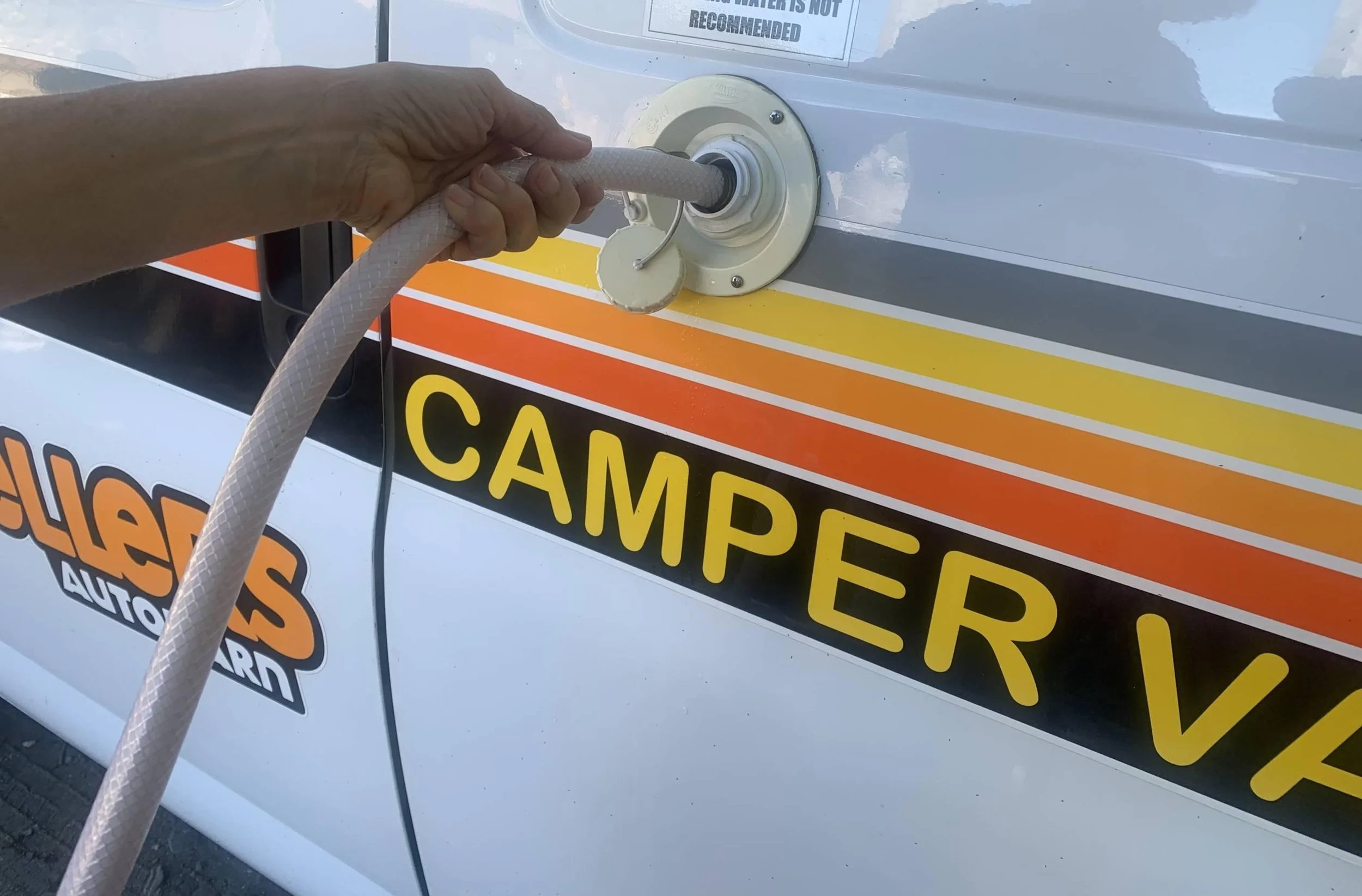
Photo: Los Muertos Crew / Pexels
A few simple habits can help extend your water reserves:
Carry backup water containers
Refill whenever convenient during travel days
Install efficient faucets and fixtures
Monitor water levels regularly
Use water thoughtfully throughout the day
The more efficiently you use water, the longer you can stay off-grid without needing to find a refill station.
2. Powering Your Adventure
Without campground hookups, your electrical system becomes one of the most important parts of your van build.
Many modern adventure vans rely on a combination of:
Solar panels
Lithium battery banks
DC-to-DC alternator charging
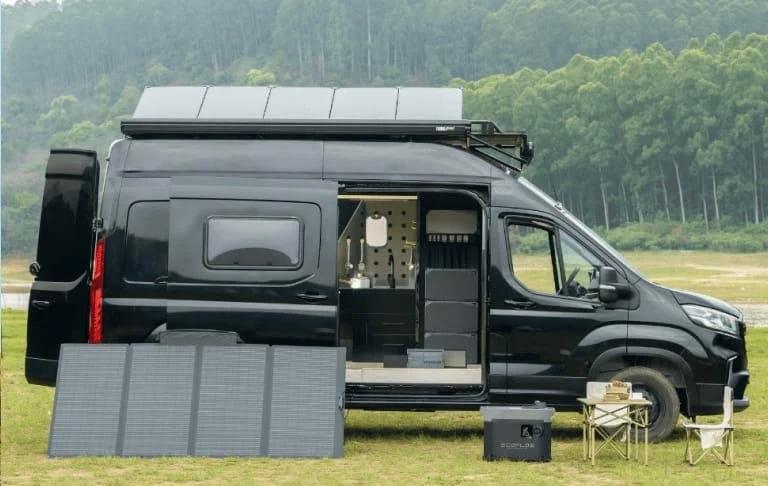
Photo: EcoFlow
Together, these systems power essentials like:
Lighting
Roof fans
Refrigerators
Device charging
Water pumps
Workstations
Internet equipment
For travelers working remotely or spending extended periods off-grid, investing in a reliable power system can dramatically improve day-to-day comfort.
3. Handling Waste Responsibly
Responsible waste management is a key part of successful boondocking.
This includes:
Gray water from sinks and showers
Toilet waste, if applicable
Trash and recyclables
One of the most important principles of boondocking is Leave No Trace.
By disposing of waste properly and respecting the areas you visit, you help preserve these beautiful destinations for future travelers.
4. Staying Comfortable Without Hookups
One of the biggest misconceptions about boondocking is that it means giving up comfort.
In reality, today's van builds are more capable than ever.
Many off-grid travelers enjoy comforts such as:
Comfortable beds
Full kitchens
Reliable internet through Starlink
Climate control systems
Indoor bathrooms
Hot showers
The goal isn't simply surviving off-grid.
It's creating a home on wheels that allows you to explore farther while still enjoying the things that make everyday life comfortable.
A Smarter Way to Shower Off-Grid
For many travelers, showering is one of the biggest challenges of boondocking.
Traditional van showers can quickly drain freshwater tanks and fill gray water systems, making many travelers feel like they need to rush through every shower.
The Infinity Shower was designed to solve that problem.
The Infinity Shower is a recirculating shower system that allows you to take a long hot shower using less than 1 gallon of water in your van, RV, or boat.
During Infinity Mode, water is filtered, UV treated, reheated, and recirculated through the shower system, helping travelers dramatically reduce water consumption while maintaining comfort on the road.
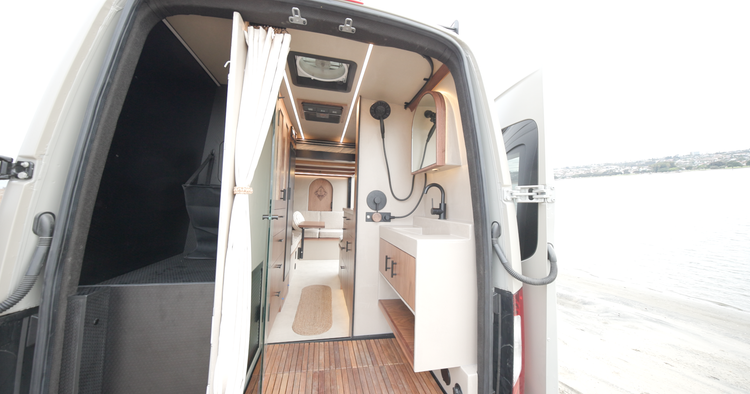
Photo: Ananda Living & Sandy Vans / https://sandyvans.com/pages/concrete-oasis
The benefits include:
Long hot showers using less than 1 gallon of water
Less gray water production
Longer stays off-grid
Greater travel flexibility
More comfort during extended adventures
For many van owners, having access to a comfortable shower becomes one of the most appreciated parts of daily life on the road.
Freedom Through Better Systems
The best boondocking setups aren't necessarily the most complicated.
They're the ones that allow you to focus less on managing resources and more on enjoying the experience.
Whether that's a lithium battery bank, a DC-to-DC charger, Starlink internet, or an Infinity Shower, every upgrade should help make life on the road easier and more enjoyable.
When your systems work well, you spend less time worrying and more time exploring.
Final Thoughts
Boondocking is one of the best ways to experience the freedom that draws so many people to van life.
With thoughtful water management, reliable power, responsible waste practices, and the right comfort upgrades, it's possible to stay off-grid longer than ever before.
Whether you're discovering hidden destinations through Harvest Hosts, exploring public lands, or simply escaping the crowds for a few days, the right setup can help you enjoy every moment of the journey.
Because the best part of boondocking isn't just where you go.
It's having the freedom to stay a little longer when you find a place you love.
